Uncovering the Secrets of the San Diego Natural History Museum: Top Exhibits and Visitor Tips
The San Diego Natural History Museum features an impressive collection of exhibits that showcase the beauty of the natural world. Beginning with the fascinating "Fossil Mysteries" to the vibrant "Bird Halls," every area offers distinctive perspectives. Visitors of all ages can experience interactive experiences and live animal encounters. Still, exploring the museum's heritage and organizing a visit takes more than mere enthusiasm. What key suggestions can improve the visit for all guests?
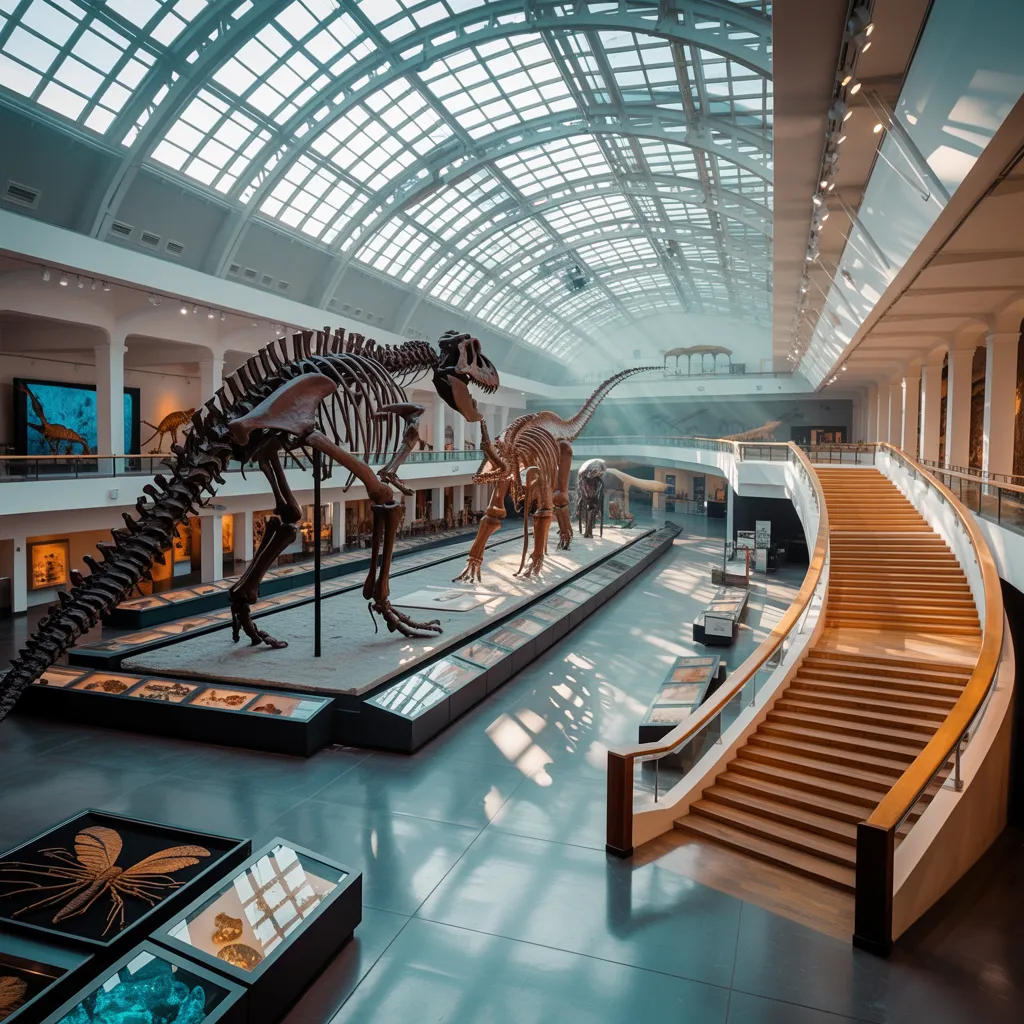
Premier Exhibits to Visit at the San Diego Natural History Museum
The San Diego Natural History Museum features an impressive variety of displays that highlight the rich natural history of the local region. A standout attraction is the "Fossil Mysteries" exhibit, which chronicles the story of life with remarkable fossil collections, drawing in visitors with immersive components. A further highlight is the "Bird Halls," where an extensive collection of avian specimens demonstrates the area's remarkable biodiversity.
Moreover, the "Nature Lab'' encourages interactive discovery, allowing guests to engage with live animals and participate in scientific activities. The ''San Diego Ecosystems'' exhibit delivers an immersive experience, showcasing various habitats and their unique flora and fauna.
Finally, the 'Pacific Island' exhibit highlights the fascinating marine life found in nearby waters. Every exhibit offers an occasion for patrons to broaden their knowledge of the natural world, establishing the museum as a must-visit destination for nature lovers.
Uncover the Museum's Rich Captivating Past
The San Diego Natural History Museum holds a distinguished history that began with its establishment in 1874. Throughout the years, it has seen remarkable milestones and growth, mirroring the changing interests in natural history. This account not only showcases the museum's evolution but also its contributions to the community and the protection of the region's natural heritage.
Founding and Early Years
Dating back to 1874, the museum has a remarkable history that mirrors the city's evolving relationship with its natural environment. Originally founded as the San Diego Society of Natural History, the institution sought to collect and safeguard regional specimens. Early collections included natural and geological artifacts, highlighting the region's diverse ecology. The institution quickly became a focal point for research and educational pursuits, fostering greater knowledge of Southern California's natural history. Throughout its formative years, it brought the community together through educational exhibitions and lectures, cultivating a spirit of ecological responsibility. These early efforts set the stage for continued development, cementing the museum's role as an essential institution dedicated to the natural heritage of San Diego and its surroundings.
Key Milestones and Growth
As the San Diego Natural History Museum established its reputation in the community, it reached important milestones that guided its evolution. Dating back to 1874, the museum first centered on local natural history, but its vision expanded over the decades. A substantial expansion happened in 1933 with the development of a new building, enhancing its capacity to showcase exhibits. In 2001, the museum advanced its modernization efforts through the incorporation of the state-of-the-art "Nature Lab" and a new entrance, elevating the overall visitor experience. The 2015 launch of the "Dinosaur Mysteries" exhibit signified another notable milestone, bringing in thousands of attendees. These advancements highlight the museum's devotion to education and conservation, solidifying its role as a cultural cornerstone in San Diego.
Engaging Interactive Activities for Families
The San Diego Natural History Museum offers a place where, families can enjoy a number of interactive experiences that make learning enjoyable. Engaging science stations allow children to explore scientific concepts, while informative guided tours broaden their understanding of featured exhibits. In addition, engaging live animal encounters provide lasting and enriching memories for people of all ages.
Practical Science Stations
Families visiting the San Diego Natural History Museum will discover many hands-on science valuable resource stations that deliver enriching and interactive opportunities for all ages. These interactive exhibits invite children and adults alike to investigate diverse areas of science through hands-on engagement. From artifact excavation to engaging exhibits featuring local ecosystems, each station is designed to spark curiosity and encourage discovery. Visitors are invited to take part in exercises that develop critical thinking and problem-solving skills, making the visit both enjoyable and educational. Additionally, the stations often incorporate technology, elevating the educational journey with interactive digital tools. Ultimately, these interactive science exhibits represent a vital part of the museum experience, creating unforgettable experiences that nurture a passion for science and nature in visitors of all ages.
Family-Oriented Guided Tours
The guided tours offered at the San Diego Natural History Museum provide an excellent opportunity for families to deepen their understanding of the exhibits while enjoying an interactive experience. Under the direction of skilled and knowledgeable tour guides, these tours cater to all ages, fostering curiosity and engagement. With guides sharing captivating stories and valuable insights, families can discover featured attractions such as the fossil hall and regional biodiversity displays. Kids are motivated to inquire and take part in discussions, deepening their overall understanding. Since tour times differ, families are encouraged to verify availability ahead of time and secure their spots when possible. In summary, these guided tours serve as both an enriching educational experience and a wonderful opportunity for families to connect through shared exploration.
Engaging Live Animal Encounters
Building on the enriching experience of guided tours, visitors to the San Diego Natural History Museum can enjoy engaging live animal encounters that offer a distinctive, hands-on chance to engage with the natural world. These interactive experiences allow families to observe and interact with various species, nurturing a greater respect for wildlife. Educators guide participants through the sessions, sharing fascinating facts about the animals and their habitats. Kids can touch, hold, or even feed several of the animals, generating cherished and unforgettable memories. These encounters are designed to be both educational and entertaining, making them ideal for family outings. By immersing themselves in these experiences, guests depart with a greater appreciation of biodiversity and the conservation efforts vital for our environment.
Latest Special Events and Programs at the Museum?
What unique experiences await visitors at the San Diego Natural History Museum? At present, the museum offers a wide range of special events and programs aimed at captivating guests of all ages. The "Night at the Museum" series welcomes families to investigate exhibits in the evening, providing hands-on activities and guided tours facilitated by well-informed staff. Furthermore, the "Science on the Rocks" event provides adults with an evening of cocktails, live entertainment, and engaging science demonstrations.
For individuals looking to expand their knowledge of the natural world, the museum presents workshops centered on wildlife conservation and local ecosystems. Recurring seasonal events, such as the popular "Dino Days," delight younger visitors with exciting, informative experiences centered around paleontology. Additionally, the museum frequently collaborates with local organizations for community-focused events, providing a wide variety of enriching experiences. These initiatives both expand visitors' understanding and cultivate a greater respect for the natural world.
Organizing Your Visit: Operating Hours and Accessibility
Organizing a trip to the San Diego Natural History Museum calls for awareness of operating hours and visitor accessibility. The museum generally operates daily from 10 a.m. to 5 p.m., giving visitors plenty of time to discover its wide range of exhibits. It is recommended to consult the official website for any seasonal variations or special event hours that may affect accessibility.
When it comes to accessibility, the museum strives to accommodate all visitors. Wheelchair rentals are available, and the building is structured to be accessible for individuals with mobility challenges. Accessible restrooms are located throughout the museum, guaranteeing convenience for all guests. Additionally, assistance animals are welcomed, enhancing the experience for visitors requiring assistance. By organizing their visit and acquainting themselves with this information, attendees can guarantee a more fulfilling and hassle-free trip to this outstanding facility.
Dining and Shopping Options at the Museum
Guests at the San Diego Natural History Museum will find a selection of shopping and dining opportunities that enhance their experience. The museum offers a on-site café serving a selection of wholesome, locally inspired dishes, snacks, and beverages, making it a practical option for visitors of all kinds. Patrons can savor light fare while stepping away from exploring the exhibits.
Apart from the dining facilities, the museum's gift shop features a range of exceptional souvenirs, educational toys, and books focused on natural history. Shoppers can find items that accommodate all ages, making it a perfect place to find a keepsake or a meaningful gift.
Expert Tips for an Unforgettable Museum Visit
How can visitors get the most out of their time at the San Diego Natural History Museum? Planning ahead is vital. Those attending should look into the museum's timetable for special events or guided tours that elevate the overall experience. Coming early enables a more relaxed discovery of sought-after exhibits, like the fossil gallery and live animal presentations.
Utilizing the museum's mobile application offers valuable information, featuring maps and comprehensive details about every exhibit. Furthermore, taking advantage of interactive displays entertains and educates visitors of every age.
A perfectly timed midday break at the on-site café can replenish energy levels before diving back into exhibits. Lastly, engaging with the museum's hands-on workshops or instructional programs can deepen understanding and appreciation of the wonders of nature. By following these insider tips, museum-goers can ensure a memorable and enriching visit to the San Diego Natural History Museum.
Common Questions and Answers
Does the Museum Offer Any Guided Tours?
The museum does offer guided tours. Visitors on these tours receive comprehensive information about the displays, improving the overall visit and facilitating a more thorough exploration of the museum's extensive collections and displays.
Is It Possible to Bring My Pet to the Museum?
No pets are permitted inside the facility. Visitors are encouraged to arrange appropriate care for their pets to guarantee a comfortable experience for everyone present and the exhibits throughout the venue.
Is Camera Use Permitted Inside the Exhibits?
Photography is generally permitted inside the exhibits, but the use of flash and tripods might be restricted. Visitors are encouraged to check individual policies for each exhibit to verify compliance with the museum's photography regulations.
Is There a Membership Program for Regular Guests?
The museum provides a range of membership plans created for frequent visitors, offering advantages such as free unlimited entry, event discounts, and exclusive entry to special exhibits. A membership enhances the overall experience for enthusiastic visitors.
What Safety Measures Are in Place at the Museum?
The museum enforces numerous safety measures, including frequent sanitation of commonly touched surfaces, compulsory face coverings, physical distancing protocols, and visitor capacity limits to ensure a protected environment for all guests and staff during their experience.